Navigating Cancer Care: Empowering Patients with Knowledge and Support
Navigating the tumultuous waters of cancer care can feel overwhelming, especially when faced with a diagnosis that shakes the very foundation of your well-being. It's a journey that many embark on, yet each path is uniquely personal. The mere mention of terms like 'oncology,' 'tumor,' and 'carcinoma' can invoke a sense of fear and uncertainty. However, there’s immense power in knowledge and understanding. As patients and caregivers, embracing this knowledge can transform fear into empowerment, equipping you with the tools necessary to advocate for yourself and to make informed decisions throughout your treatment options.
Imagine sitting in a clinical consultation, armed with the questions and insights gleaned from reputable educational resources. You might ask about the latest medical research or inquire if there are ongoing clinical studies on your specific type of carcinoma. Quotes like, 'Knowledge is power,' resonate loudly in these moments. Empowerment comes when you seize control of your healthcare narrative by asking questions, seeking clarity, and making the most of available treatments. With the right support, the fear of the unknown can become a manageable challenge rather than an insurmountable barrier.
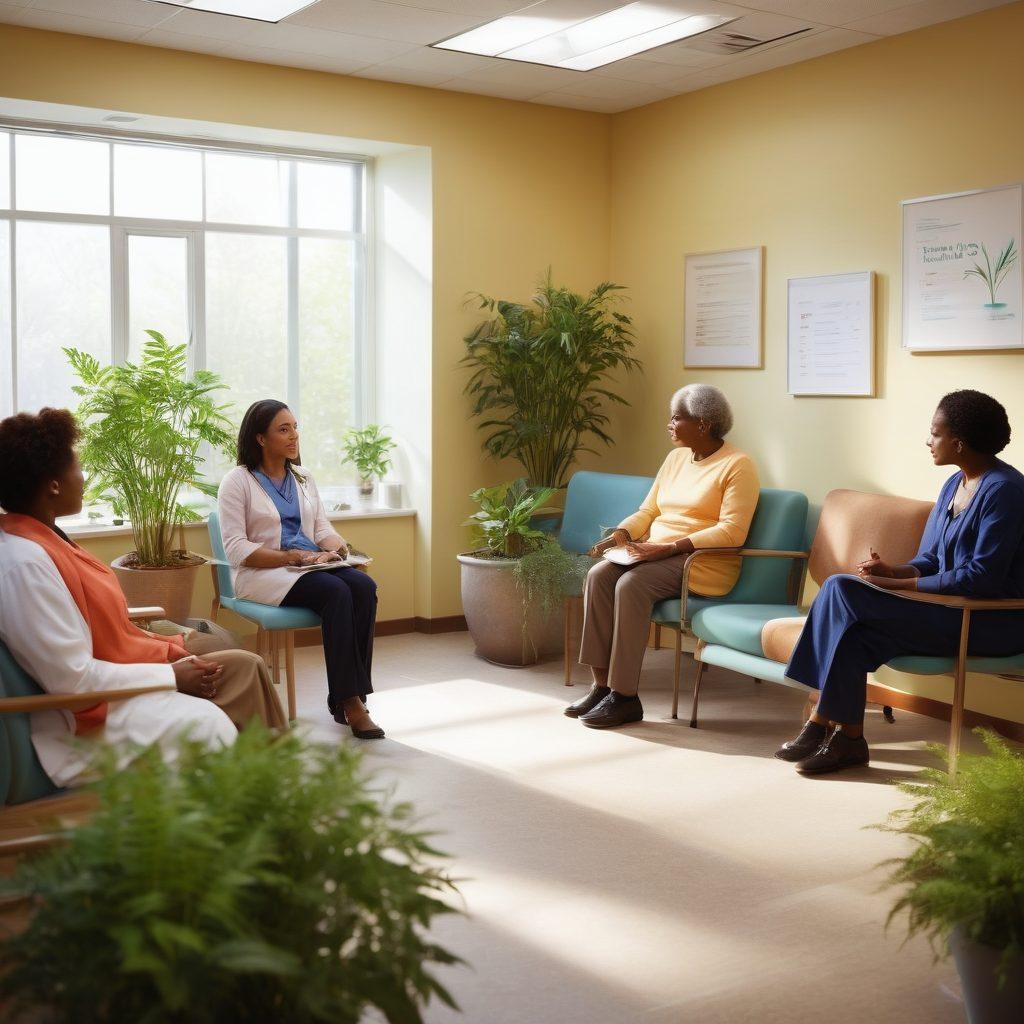
But where does one turn to find these valuable resources? The beauty of modern cancer care lies in the wealth of community resources and support groups available for patients and their families. These peer support networks create a space where individuals can share their stories, exchange invaluable tips, and foster camaraderie. What if you could connect with others who walk a similar journey, seeking tips on symptom management, lifestyle changes, or insights into alternative therapies? These conversations can illuminate a path towards wellness and survivorship that feels less isolating and more hopeful.
Additionally, patient education is an essential ingredient in the cancer treatment recipe. Understanding your diagnosis, exploring preventive care options, and evaluating different therapy modalities can empower you in a significant way. Discuss treatment plans with your healthcare team, dive into research studies, and consider holistic health approaches that complement traditional treatments. The more you learn, the more you realize that facing cancer is not merely a fight but a journey with countless allies along the way.
Ultimately, navigating your cancer care is about blending knowledge with support—creating a tapestry where education, advocacy, and community intertwine. You possess the right to ask questions regarding your health and well-being, to demand the best possible treatment, and to live your life fully even while managing cancer. Whether through lifestyle changes or connecting with supportive individuals, remember: you are not alone in this journey. Empower yourself with knowledge, lean on your community, and cherish the moments that matter most. As you advance on your journey, the essence of patient empowerment can transform not just your treatment outcomes, but your entire experience.
Building Support Networks: The Role of Advocacy and Community in Cancer Care
When faced with a cancer diagnosis, the world can feel like it's turning upside down. Your mind races with questions: What is the best treatment option? How can I cope with the emotional weight of this journey? In the midst of such turmoil, one critical aspect can often feel neglected: building a robust support network. This is where advocacy and community come into play, becoming essential pillars in navigating the complexities of oncological care. By harnessing the power of shared experiences and knowledge, patients can find empowerment and strength in their journey toward recovery.
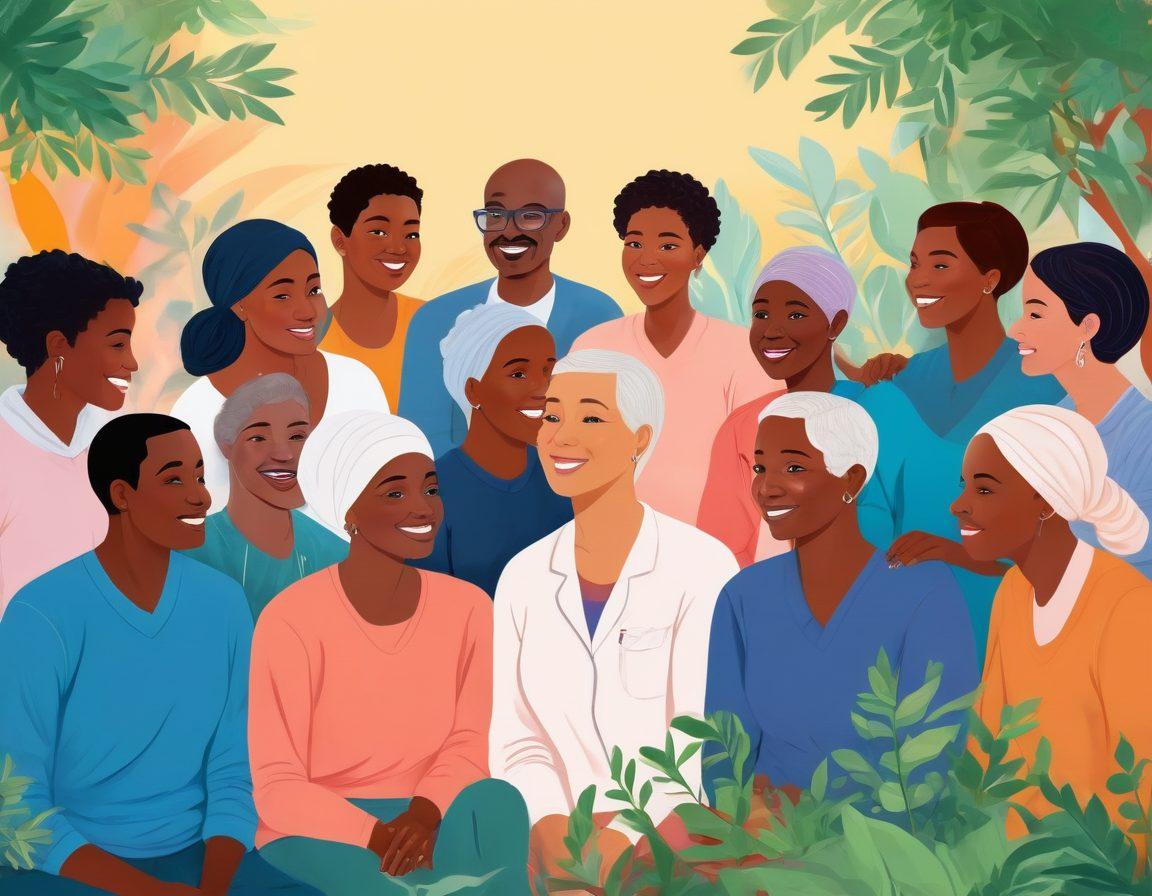
Imagine attending a support group where everyone genuinely understands your struggles. As you sit together, stories of tumorous diagnoses, treatment regimens, and survivorship fill the room. This sense of camaraderie does wonders for emotional well-being. A study conducted by the National Cancer Institute found that patients engaged in support groups experience reduced anxiety and increased levels of hope. In fact, many have described their support groups as a lifeline—a crucial component that enriched their cancer care experience. As renowned oncologist Dr. Michael Retsky puts it, 'Patient advocacy is a powerful tool; it transforms helplessness into informed action.'
That's right! Empowerment begins with education. Knowing about your specific carcinoma, treatment options, and the latest in medical research places you one step closer to informed decision-making. Thankfully, many community resources are available that provide educational resources tailored specifically for cancer patients. Think of local cancer support centers or online forums that can guide you about symptom management or alternative therapies. Have you ever considered how far a simple conversation about treatment can take you? By sharing stories and asking questions, you may discover life-changing information that could improve your treatment journey.
The significance of peer support cannot be overstated. Building relationships with fellow patients can offer unique insights into navigating the healthcare system, from understanding clinical studies to learning about lifestyle changes that promote well-being. By discussing your experiences within a community, you can unearth tips on effective preventive care and holistic health practices that may have been overlooked in traditional oncology discussions. Remember that every journey is different, but when guided by compassionate compatriots, the road may feel less daunting. What small step can you take to connect with someone who understands your journey?
Cancer care is more than just medical treatment; it’s about the entire ecosystem that supports patients. Building a network of advocacy and community can foster hope, resilience, and a sense of belonging. It's these connections that not only allow for patient education and informed decision-making but also facilitate healing across various dimensions of life. So, take a moment today to consider: who can you reach out to? Maybe it's a cancer survivor, a peer, or even an advocate who can help light your path forward. The journey may be long, but with the right support network, hope springs eternal.
From Diagnosis to Survivorship: A Comprehensive Guide to Patient Empowerment
Navigating the journey of cancer care can feel like an insurmountable challenge, especially when faced with a diagnosis that can turn your life upside down. The word 'cancer' evokes a wide range of emotions – fear, confusion, and uncertainty. But what if I told you that knowledge could be your greatest ally on this journey? From the moment you receive your diagnosis to the time you embrace survivorship, becoming an empowered patient is one of the most significant steps you can take. With the right understanding of treatment options, educational resources, and support systems, you can navigate your cancer journey with confidence and clarity.
Picture this: you’re sitting in the doctor's office, your heart racing as the oncologist explains your diagnosis. The term 'carcinoma' may sound foreign and frightening, but it is crucial to understand that you are not alone in this fight. Many have stood where you stand and have emerged stronger and more informed. By engaging with medical research and clinical studies, you can uncover valuable insights about your specific type of tumor and treatment pathways. Don't hesitate to ask questions and seek clarity; after all, this is your health, your body, and your life at stake.
Have you ever thought about the power of patient advocacy? Advocacy is not just about having your voice heard – it's about taking control of your treatment experience. Engaging in support groups or forming connections with peers who have faced similar diagnoses can be incredibly reassuring. Sharing your story can inspire others while helping you process your own emotions. You might ask yourself, 'How can I use my experience to help others?' Consider volunteering, offering your insights, or even starting a blog to broaden cancer awareness and provide hope to those newly diagnosed.
Symptom management, preventive care, and making lifestyle changes are aspects of care that can significantly impact your well-being during and after therapy. Incorporating alternative therapies or holistic health practices can complement your traditional treatment, supporting both your physical and emotional health. It's essential to foster a partnership with your healthcare team, voicing your concerns and preferences to tailor a treatment plan that best fits your life. Have you explored resources in your community that provide wellness programs, nutrition advice, or fitness classes tailored specifically for cancer survivors?
Ultimately, survivorship is not just about surviving cancer; it’s about thriving post-diagnosis. It’s a new chapter, full of potential and resilience. As you embrace your cancer care journey, remember the importance of continuous learning and connecting with educational resources. Make it a priority to stay updated on ongoing research studies and advancements in oncology. By doing so, you’ll empower yourself to make informed decisions and advocate for your health. How will you take charge of your cancer journey today to pave the way for a brighter tomorrow?